

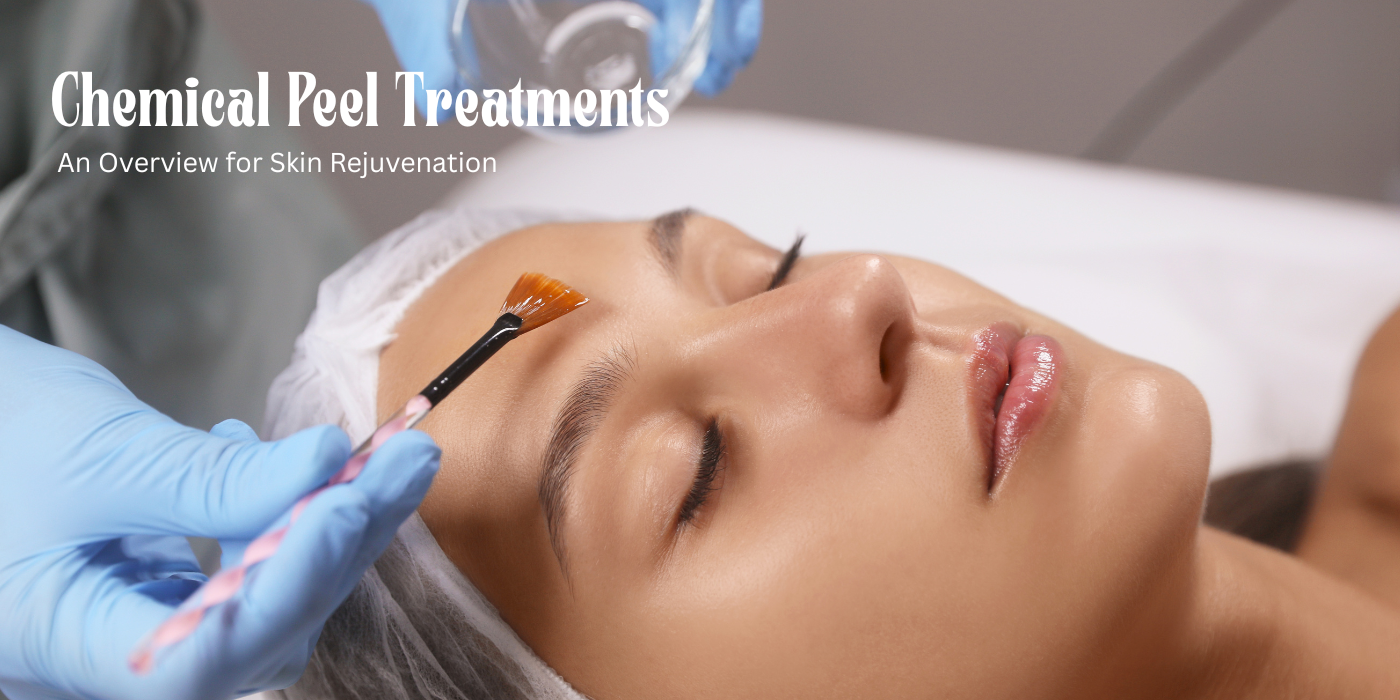
Chemical Peel Treatments: An Overview for Skin Rejuvenation
Chemical peels are a popular skincare treatment designed to improve the appearance of the skin by exfoliating the outermost layers. This treatment involves applying a chemical solution to the skin, which helps to slough off damaged skin cells and stimulate the growth of fresh, new skin. Whether you’re seeking a solution for acne, fine lines, hyperpigmentation, or uneven texture, chemical peels can be a powerful tool for skin rejuvenation. Let’s explore the different types of chemical peels, their benefits, and what to expect from the procedure.
What is a Chemical Peel?
A chemical peel is a cosmetic procedure that uses a chemical solution to exfoliate and remove the outer layers of the skin. Depending on the strength and type of chemical used, peels can range from superficial (light) peels that affect only the outermost skin layer to deep peels that reach the lower layers of the skin. The result is smoother, clearer skin with reduced signs of aging, sun damage, and other imperfections.
Types of Chemical Peels
There are three primary types of chemical peels: light (superficial), medium, and deep. Each peel varies in the depth of penetration and the type of skin concerns they address.
1. Light (Superficial) Peel
- What It Does: A light peel targets the outermost layer of skin, known as the epidermis. It is typically used for treating minor skin concerns like dry skin, rough texture, or mild acne.
- Chemical Used: Alpha hydroxy acids (AHAs) such as glycolic acid or lactic acid are commonly used in light peels.
- Recovery: Minimal downtime; the skin may experience some redness and mild flaking.
2. Medium Peel
- What It Does: A medium peel penetrates deeper into the skin, reaching both the epidermis and the upper dermis. It is effective for treating moderate skin concerns like age spots, moderate acne scars, and fine lines.
- Chemical Used: Trichloroacetic acid (TCA) or a combination of acids.
- Recovery: Moderate downtime, including peeling, redness, and possible swelling. The skin will need to heal for a few days before the results become visible.
3. Deep Peel
- What It Does: A deep peel targets the deepest layers of the skin, making it effective for treating more severe conditions like deep wrinkles, significant sun damage, or pronounced acne scarring.
- Chemical Used: Phenol is often used in deep peels due to its potent exfoliating properties.
- Recovery: Long recovery period (several weeks). This treatment requires careful aftercare to avoid complications and ensure optimal results.
Benefits of Chemical Peels
Chemical peels offer numerous benefits, depending on the depth of the peel and the skin concerns you’re addressing. Some of the most common benefits include:
- Improved Skin Texture: By removing dead skin cells and stimulating new skin growth, chemical peels help create smoother, more even skin. They can reduce the appearance of rough patches and uneven texture.
- Reduction of Fine Lines and Wrinkles: Peels can reduce the appearance of fine lines and wrinkles by encouraging collagen production, a key element for maintaining youthful-looking skin.
- Treatment for Acne and Acne Scarring: Chemical peels are often used to treat acne by unclogging pores and reducing inflammation. Medium and deep peels can also improve the appearance of acne scars.
- Brightening of Skin Tone: Peels can help lighten dark spots, age spots, and hyperpigmentation, resulting in a more even skin tone.
- Sun Damage Repair: If your skin has been damaged by excessive sun exposure, chemical peels can help reverse some of the visible signs of sun damage, such as brown spots and wrinkles.
What to Expect During the Procedure
The procedure for a chemical peel varies depending on the type of peel being performed:
- Pre-Treatment: Before the peel, your dermatologist or aesthetician will evaluate your skin and discuss your goals for the treatment. You may be advised to avoid certain skincare products or medications in the days leading up to your treatment to minimize the risk of irritation.
- Procedure: During the procedure, the chemical solution will be applied to the skin. You may experience a tingling or mild burning sensation, depending on the strength of the peel. The length of time the solution is left on your skin will vary based on the depth of the peel.
- Post-Treatment Care: After the peel, your skin may feel sensitive or look red. It’s crucial to follow the aftercare instructions provided by your skincare professional, which may include avoiding sun exposure, using gentle skincare products, and moisturizing the skin.
Side Effects and Risks
While chemical peels are generally safe when performed by trained professionals, there are potential side effects and risks, particularly with deeper peels. These may include:
- Redness and Swelling: Mild redness and swelling are common after a light peel. However, deeper peels can cause more intense swelling and redness.
- Peeling and Dryness: As the old skin sheds, you may experience peeling and dryness, which can last several days to a week, depending on the peel.
- Hyperpigmentation or Hypopigmentation: In rare cases, chemical peels can cause either darkening (hyperpigmentation) or lightening (hypopigmentation) of the skin. This is more common in individuals with darker skin tones.
- Infection: Although rare, infection is possible if proper aftercare is not followed.
Is a Chemical Peel Right for You?
Chemical peels can be an excellent option for those looking to improve their skin’s appearance, but they are not suitable for everyone. It’s important to have a consultation with a qualified dermatologist or aesthetician to determine the best treatment plan for your skin type and concerns.
If you have certain skin conditions, such as eczema, rosacea, or active herpes simplex virus (cold sores), you may not be a good candidate for chemical peels. Additionally, if you have darker skin, extra caution should be taken, as deeper peels can sometimes cause pigmentation changes.
Conclusion
Chemical peel treatments offer a versatile, effective solution for a wide range of skin concerns. Whether you’re dealing with acne, sun damage, or the natural signs of aging, a chemical peel could help revitalize your skin and restore a youthful, radiant appearance. As with any cosmetic treatment, it’s essential to consult with a skilled skincare professional to determine the most suitable type of peel for your skin needs.